Arrange your kindergarten classroom to support your teaching
I help kindergarten teachers intentionally arrange classroom environments that are both pedagogically sound and aesthetically balanced — reducing overwhelm and building confidence.
Many kindergarten teachers work in classrooms that do not fully support their teaching.
Excessive commercial toys, limited storage, and cluttered layouts often require constant extra managing and preparation. Over time, the space becomes visually overwhelming — and even though something feels off, it can be difficult to clearly identify what needs to change.
When the physical environment does not align with pedagogical intentions, it can lead to overwhelm, discouragement, and unnecessary strain — affecting both “us” teachers and children.
Years of working alongside exceptional colleagues in diverse kindergarten settings have taught me how deeply the physical environment influences teaching, learning, and everyday wellbeing.
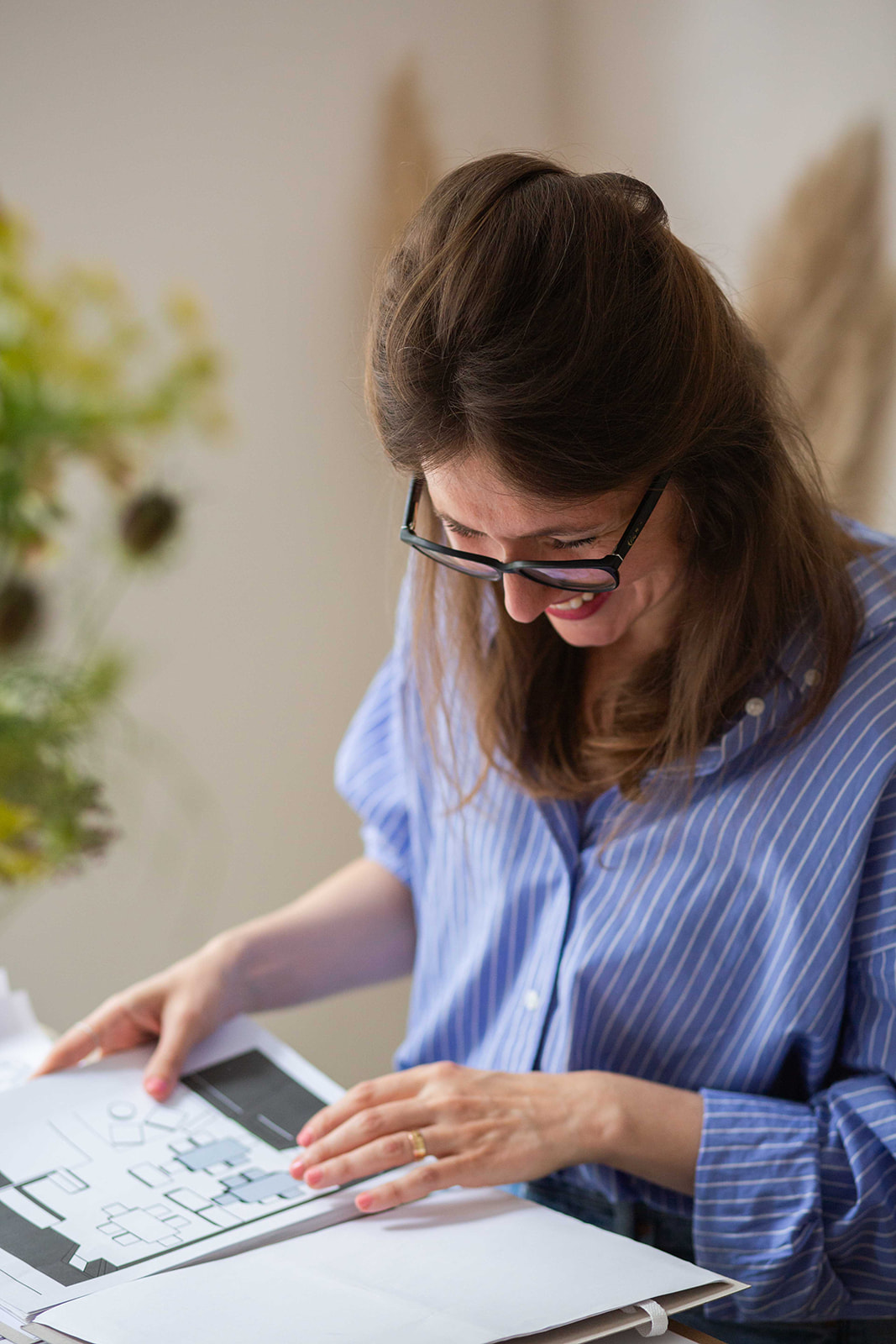
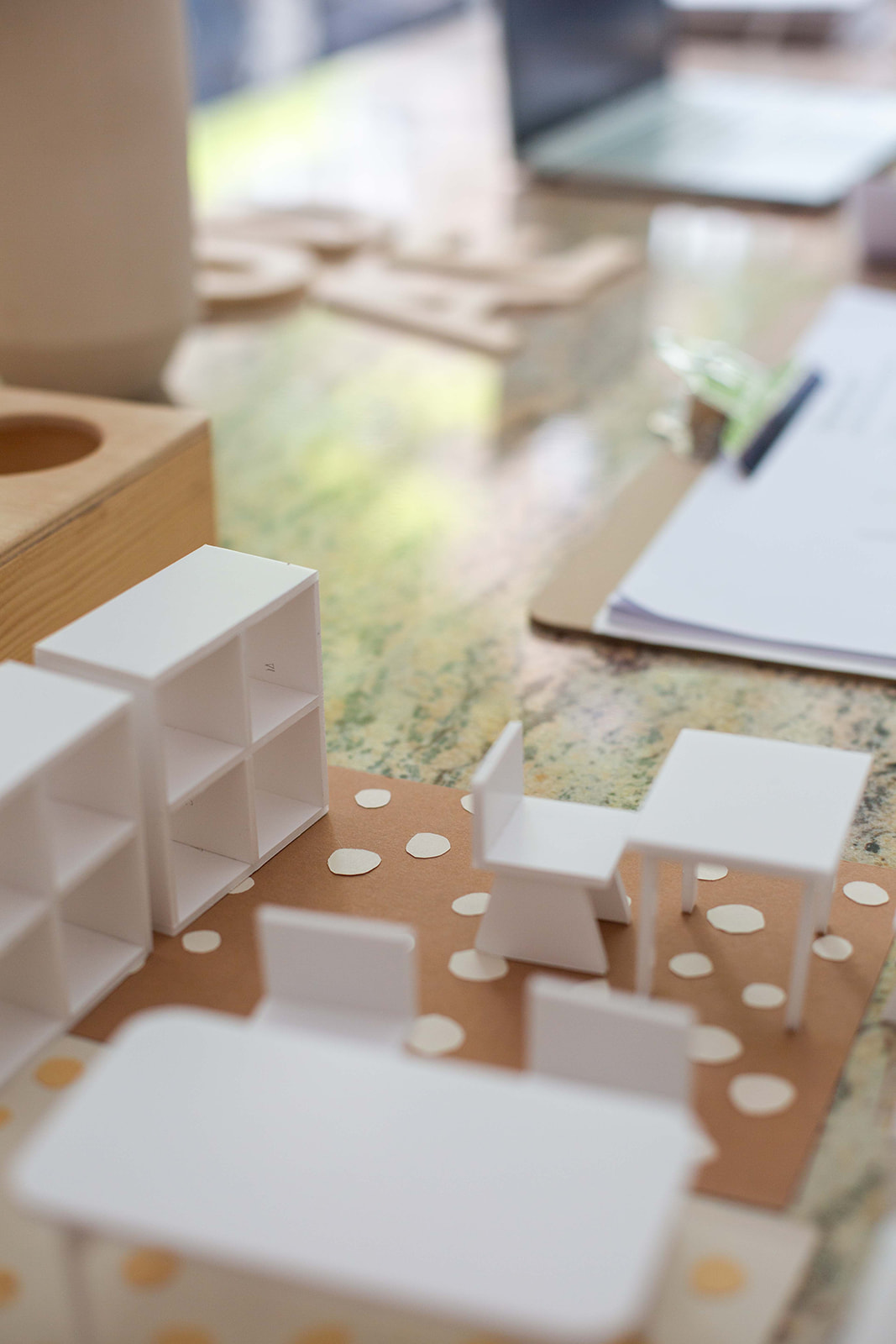
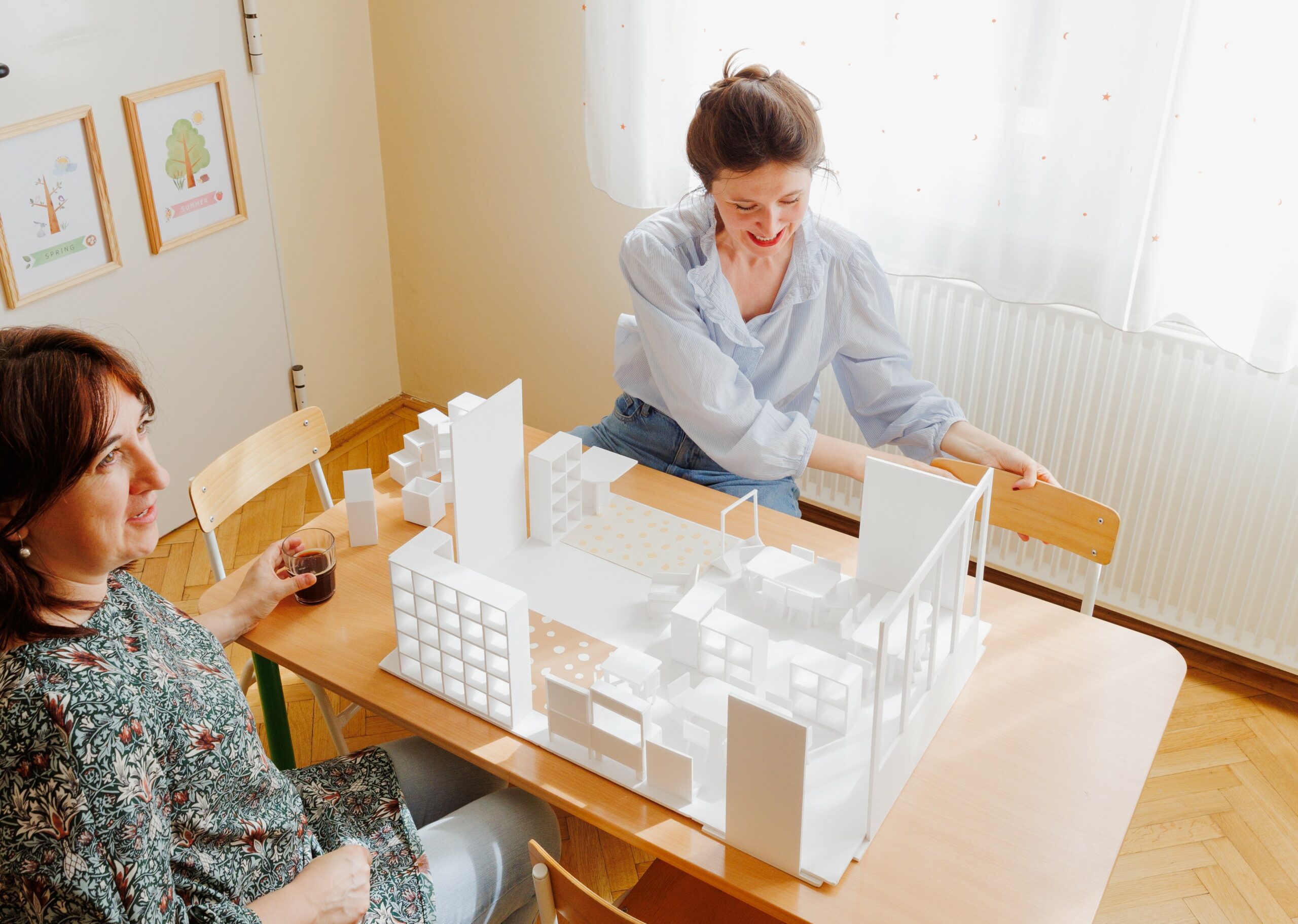
Through hands-on experience, I have learned how intentional arrangement of space — furniture, toys, and materials — can transform a kindergarten room into a supportive partner in teaching, rather than an additional burden. True Toys grew out of this practice.
True Toys provides guidance for kindergarten teachers who want to intentionally arrange their classrooms so the space supports their pedagogical work. This includes:
understanding
the role of the physical environment as part of teaching
Learning
how to arrange furniture, organize storage, and curate toys with intention
Creating
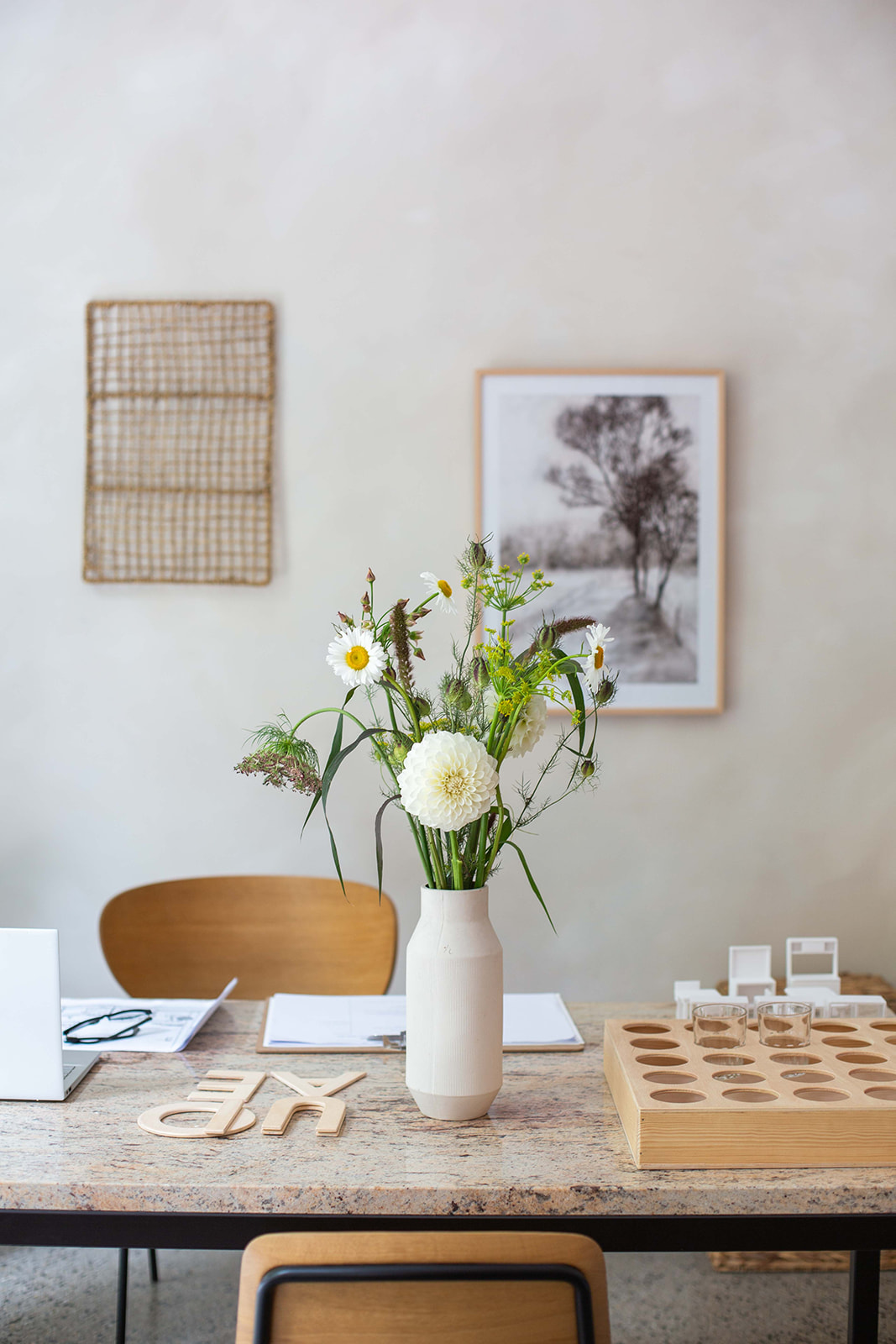
aesthetically calm, functional spaces aligned with pedagogical values
The goal is not perfection, but clarity — so your classroom works with you, not against you.
Step into your classroom with calm and confidence
When the physical environment is thoughtfully arranged, teachers can focus on what truly matters — relationships, observation, and meaningful pedagogical work.
A well-considered classroom supports daily routines, reduces unnecessary effort, and creates a sense of calm for both children and adults.
This is what intentional arrangement makes possible.
My favorite thing about the Kindergarten Room Enhancement Project is that we could finally get rid of the items that made the entire space too colorful and busy, and replace them with light and natural color ones. This created a much calmer atmosphere. I only wish we had more time with the carpet search.
I love how every area has its function now, and that the whole classroom setup promotes independence. Playing around with different arrangements is totally worth the time and effort. Making minor adjustments can be a game-changer.
Thank you so much for the thought and effort that went into the Kindergarten Room Rearrangement proposal. You have this magical ability to make things clearer, brighter, better… and somehow you always appear with the right idea, tool, object, from the recesses of the school.
If I had to choose one word to describe you, it would be precise! I truly think you did an amazing job, and I feel we had very similar ideas, but I never had the time or energy to execute them on my own.
You are always there to lend a helping hand, a kind observation or suggestion. You're always in the right place at the right time. I don't know how you do it? Thank you! I’m so grateful.
Ready to look at your classroom differently?
Learn how intentional arrangement of the physical environment can support your teaching and everyday work.